A year-round calendar of Tokyo's greatest festivals — portable shrines, lantern seas, thundering fireworks, and the soul of old Japan alive on the streets.
Tokyo may look like the future, but its soul runs deep in tradition. Every season, ancient matsuri erupt across the city — neighbourhood shrines come alive, rivers glow with lanterns, and millions gather to celebrate the same rituals their ancestors did hundreds of years ago. Whether you are here for the wildness of Sanja or the quiet beauty of Mitama's lanterns, a festival will be the memory you carry home.
The traditional end-of-winter ceremony where participants shout 'Oni wa soto! Fuku wa uchi!' (Demons out! Good fortune in!) and throw roasted soybeans to drive away evil spirits. Sensoji Temple and Zojoji Temple hold especially lively events with celebrity bean-throwers and crowds in masks. Children and adults alike join in — it's joyful, slightly chaotic, and thoroughly Japanese.
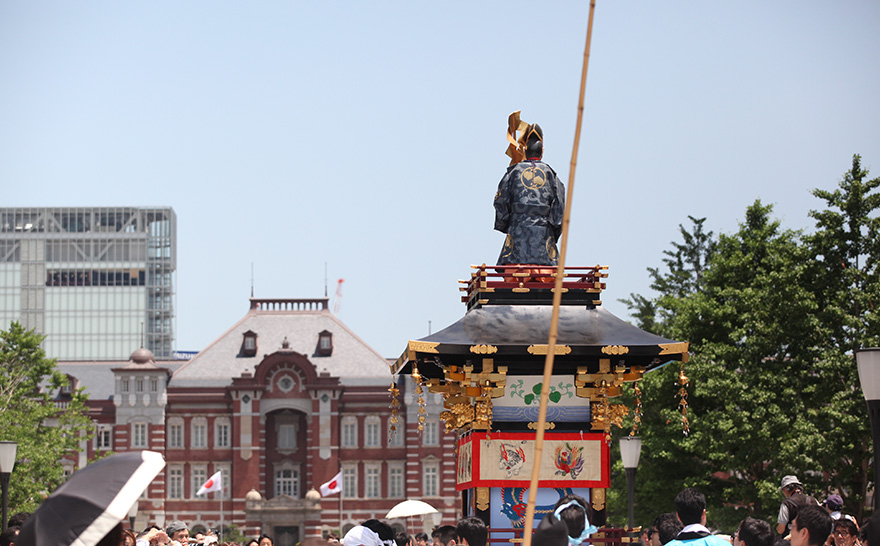
🎟 Free — no ticket required 🌸 Book Your Stay at TakinogawaOne of Tokyo's three great festivals — and 2026 is its year. The grand Shinko-sai procession happens only in even-numbered years, making this a rare opportunity. On June 15, roughly 500 people in Heian-period court costumes, mikoshi, and ornate floats parade from Hie Shrine through the business districts of Nagatacho and Ginza — ancient tradition weaving surreally between glass towers. The entire festival spans 11 days with events daily.
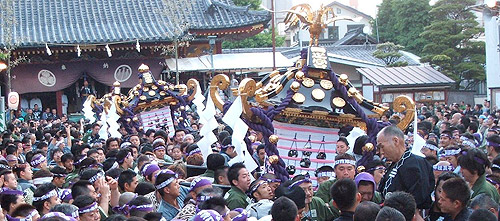
🎟 Free — procession is open to public 🌸 Book Your Stay at TakinogawaTokyo's wildest and most exhilarating shrine festival. Over three days, roughly 100 mikoshi (portable shrines) surge through the narrow streets of Asakusa, carried by chanting, sweating teams who spin and slam them with extraordinary energy. Around 1.5–2 million spectators pack the streets. Friday features a street parade; Saturday sees the neighbourhood mikoshi procession through Senso-ji's grounds; Sunday morning is the dramatic battle for the right to carry the shrine's three sacred mikoshi.
🎟 Free — no ticket required 🌸 Book Your Stay at TakinogawaOne of Tokyo's most visually stunning festivals. Over 30,000 paper and metal lanterns are hung along the approach to Yasukuni Shrine, transforming it into a corridor of golden light after sunset. Traditional Bon Odori dancing fills the grounds, food stalls line the path, and the warm summer air carries the scent of grilled yakitori. Arrive at dusk for the full effect — the moment the lanterns switch on is unforgettable.
🎟 Free — open to all 🌸 Book Your Stay at TakinogawaTokyo's oldest and most beloved fireworks festival, dating back to 1733 when the Shogun lit up the Sumida River to pray for the souls of famine victims. Today, over 20,000 fireworks are launched from two sites along the river, exploding above the Asakusa skyline with Tokyo Skytree glowing in the background. Nearly one million spectators arrive in yukata, filling the riverside parks, bridges, and streets with food stalls and festive energy. The show runs 7:00–8:30 PM.
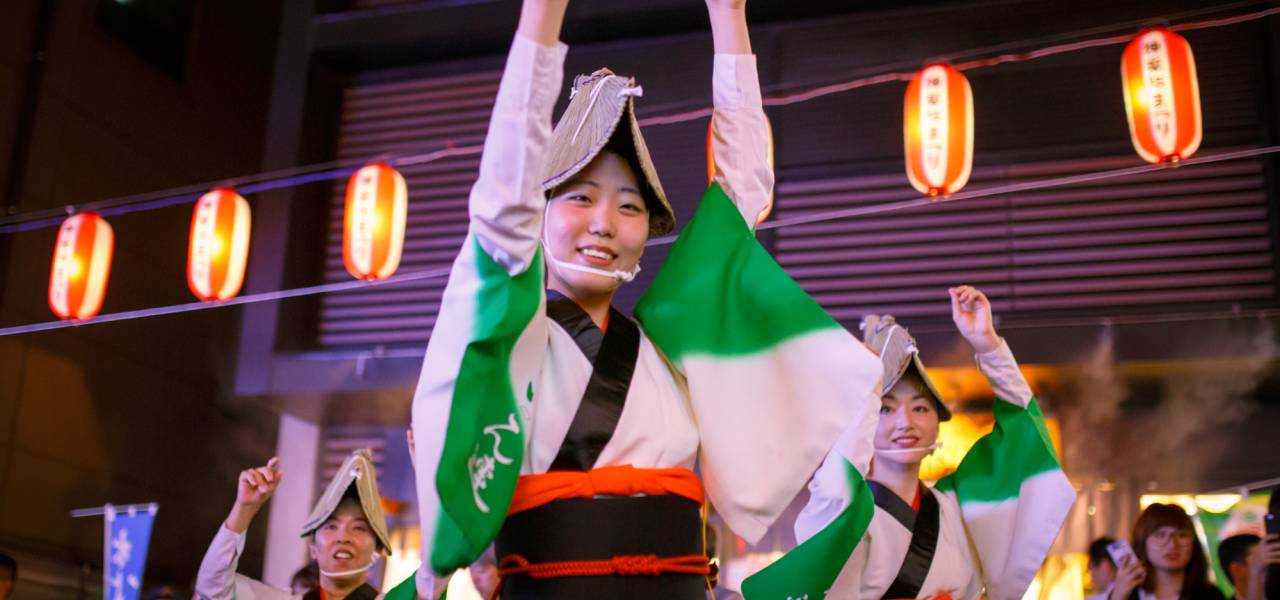
🎟 Free to watch. Paid premium seats available via Lawson / 7-Eleven 🌸 Book Your Stay at TakinogawaA charming neighbourhood festival held over four evenings on the famous sloping street of Kagurazaka. The first two nights feature a Hozuki (ground cherry) market — a beautiful Edo tradition. The final two evenings transform into the Awa Odori, with hundreds of dancers in traditional costumes performing the hypnotic ancestral dance down the lantern-lit street. The geisha district atmosphere makes this one of Tokyo's most atmospheric summer evenings.
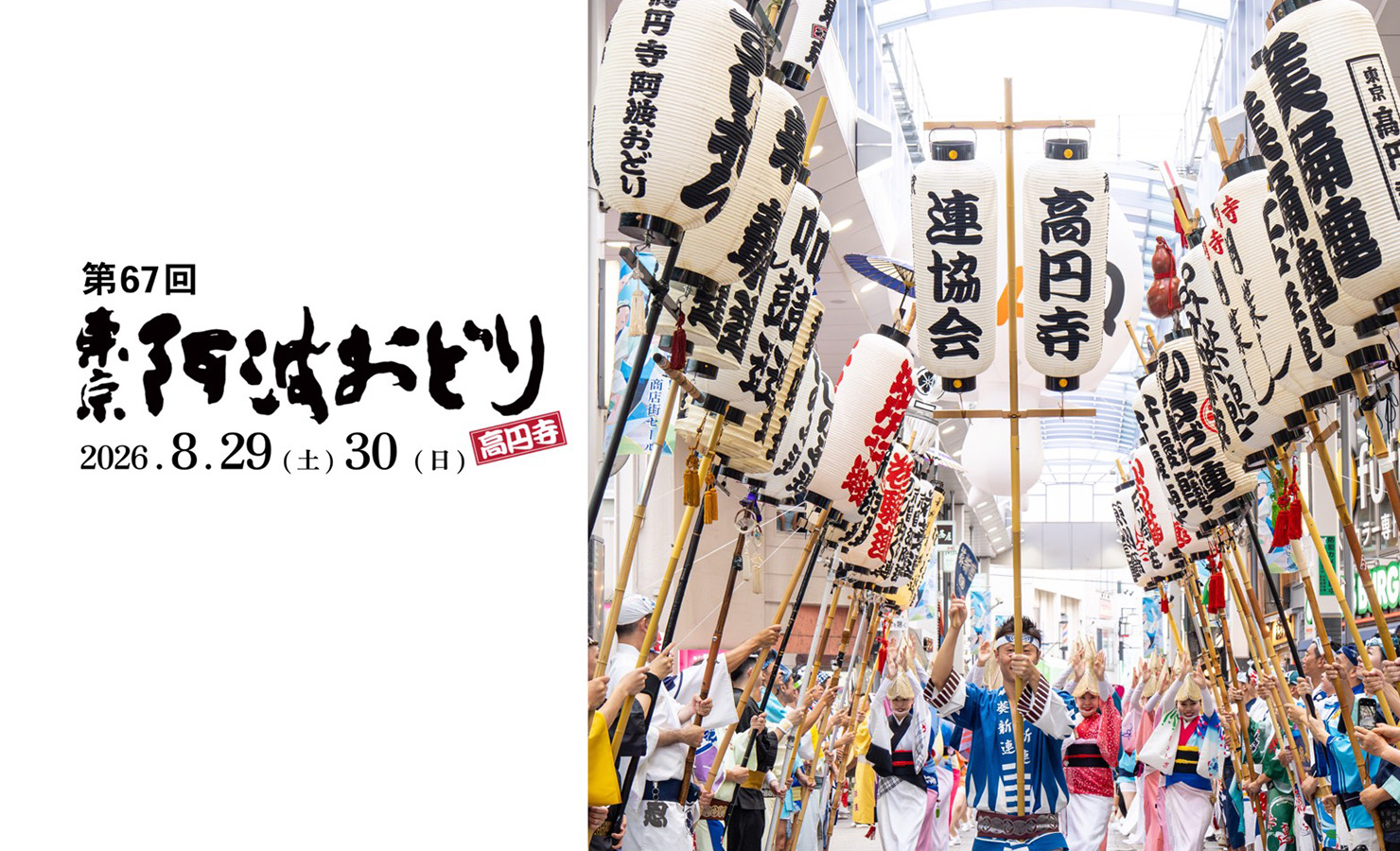
🎟 Free — street festival, open to all 🌸 Book Your Stay at TakinogawaThe largest Awa Odori dance festival outside of Tokushima — and arguably the most electric night out in Tokyo's summer calendar. Over 10,000 dancers from hundreds of teams perform the fast, rhythmic ancestral dance through multiple street circuits around Koenji Station, watched by nearly 700,000 spectators. The sound of shamisen, flutes, and taiko drums is relentless. Everyone is moving. It's pure Tokyo summer energy.
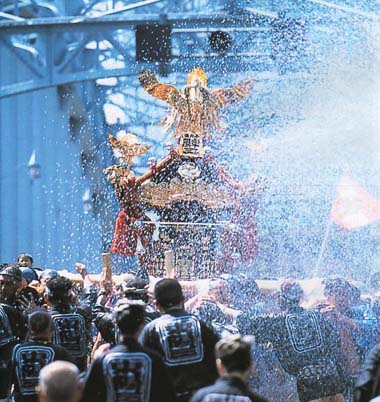
🎟 Free — street festival, no ticket needed 🌸 Book Your Stay at TakinogawaKnown as 'Water-Splashing Festival' (Mizu-kake Matsuri), this is one of Tokyo's three great festivals. The grand main festival occurs every three years — next in 2027 — but annual celebrations still happen at Tomioka Hachimangu Shrine. The defining feature: spectators line the route with buckets and hoses to drench the mikoshi bearers with water. In the summer heat, the bearers welcome it. The energy is electrifying. Keep an eye out for the annual autumn festival at the shrine.
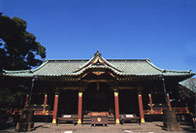
🎟 Free — wear clothes you don't mind getting wet! 🌸 Book Your Stay at TakinogawaThe main annual festival of Nezu Shrine — one of Tokyo's oldest and most beautiful shrines, tucked among the traditional backstreets of Yanaka and Bunkyo. The autumn festival features yabusame (horseback archery) demonstrations, mikoshi processions through the historic neighbourhood, and traditional performing arts. The forested grounds of Nezu Shrine, with their vermillion torii gates, are exceptionally beautiful in the warm autumn light.
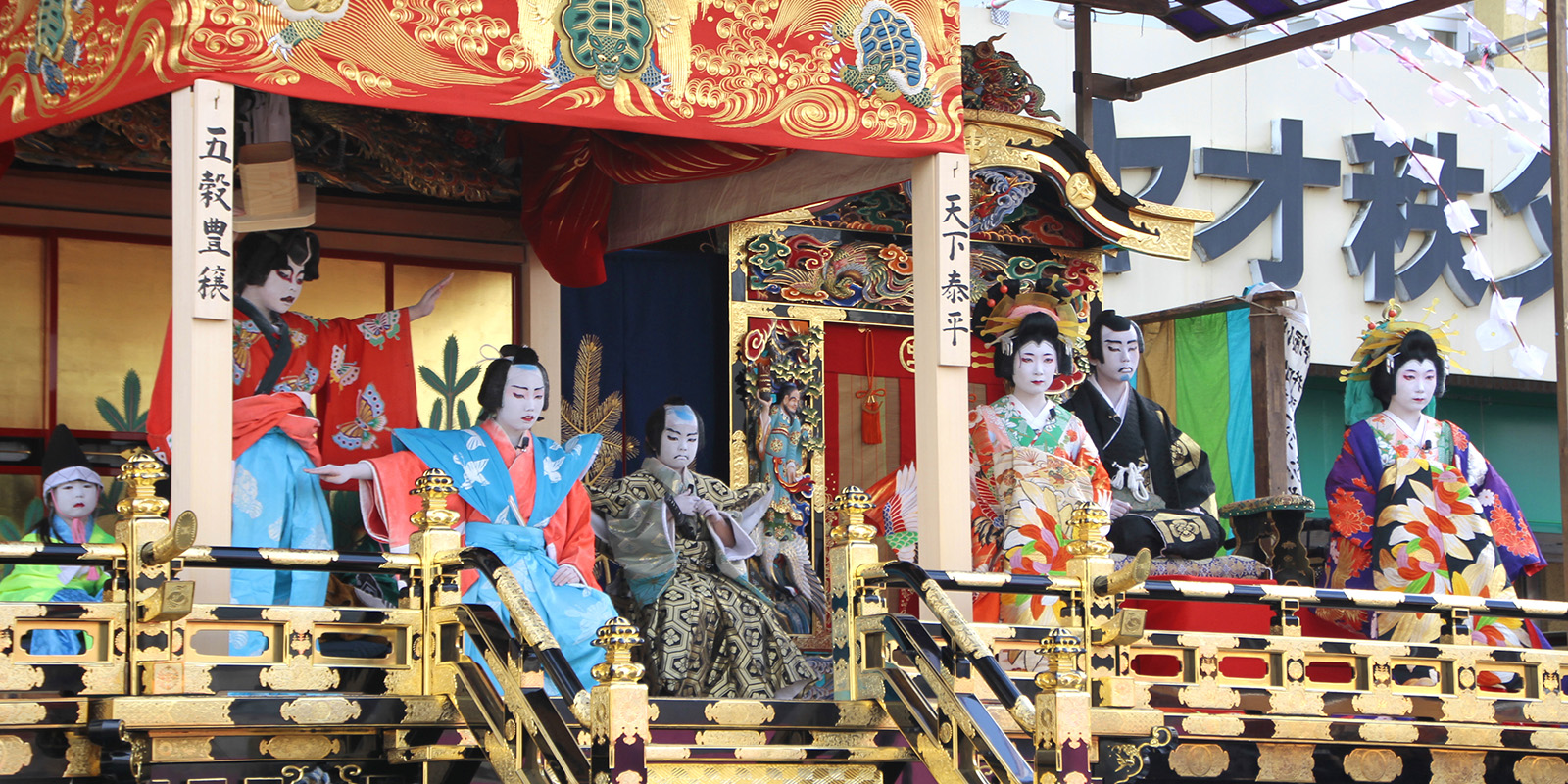
🎟 Free — shrine grounds are open 🌸 Book Your Stay at TakinogawaA UNESCO Intangible Cultural Heritage festival and one of Japan's three great float festivals. Just 80 minutes from Ikebukuro by Seibu Railway, this is a spectacular winter night out. Massive illuminated floats — some weighing 20 tons — are hauled up steep hills by hundreds of men, accompanied by explosive fireworks against the freezing December sky. The December 3rd evening climax is transcendent. Wrap up very warm and book trains early — it sells out.
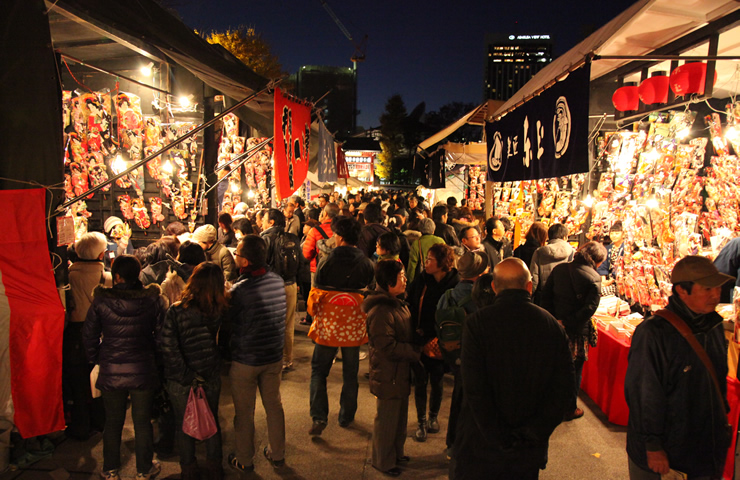
🎟 Paid seats — book in advance at Lawson Ticket 🌸 Book Your Stay at TakinogawaOne of Tokyo's most charming year-end traditions. Held at Sensoji Temple in Asakusa, this market sells hagoita — ornate decorative paddles featuring elaborate relief portraits of kabuki actors, celebrities, and pop culture icons made from silk and fabric. The paddles are considered good luck charms for the New Year. Browsing the stalls as the year draws to a close, surrounded by the scent of incense and the sounds of Asakusa, is a deeply nostalgic Tokyo experience.
🎟 Free to enter — hagoita paddles from ¥3,000 🌸 Book Your Stay at Takinogawa